Booster Pump Size Calculator
Size the right booster pump for your home, building, or irrigation system. Enter your current pressure, desired pressure, flow needs, and piping details to get a tailored pump recommendation.
List of the Top 10 Best Booster Pump:
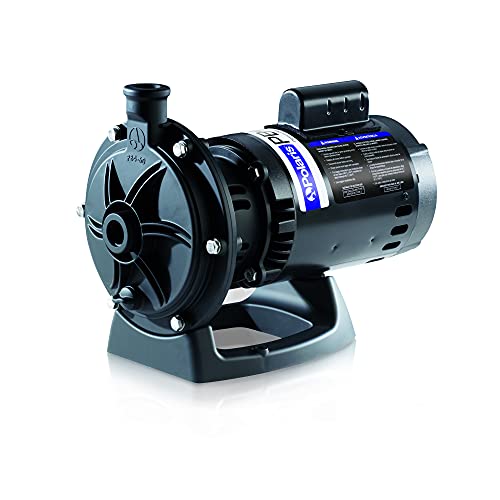

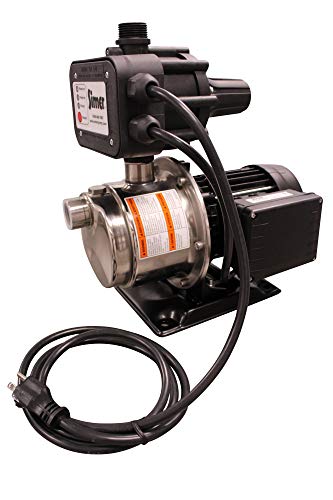
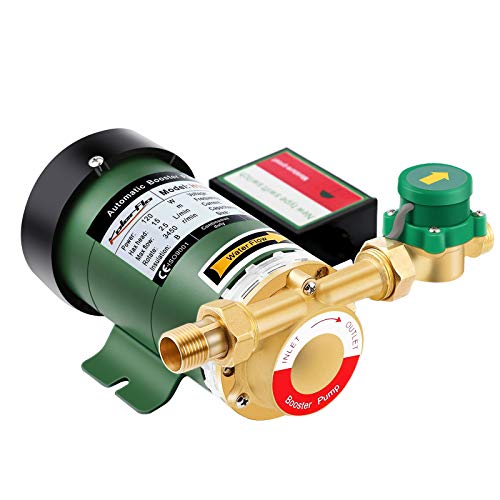
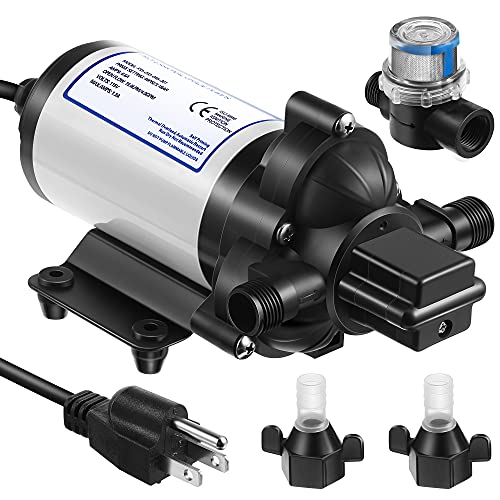


Booster Pump Sizing – Complete Guide
Why Proper Booster Pump Sizing Matters
A correctly sized booster pump ensures adequate water pressure for showers, appliances, irrigation, and fire suppression systems. Undersized pumps leave you with weak flow and sputtering fixtures, while oversized pumps waste energy, cause excessive noise, and can damage plumbing with pressure surges. Our calculator balances pressure boost, flow rate, and system losses to recommend the ideal pump for your application.
Key Factors in Booster Pump Selection
Pressure Boost (ΔP)
The difference between your inlet pressure and target pressure. For example, boosting from 30 PSI to 60 PSI requires a 30 PSI increase. Each PSI of boost adds 2.31 feet of head to the pump's requirements.
Flow Rate (GPM)
Determined by the number of fixtures and their simultaneous usage. Residential homes typically need 8-15 GPM, while commercial buildings may require 50+ GPM. Our calculator adjusts for fixture count.
Total Dynamic Head (TDH)
The sum of pressure boost (converted to feet), elevation gain, and friction losses in the piping. Friction depends on pipe diameter, length, and flow velocity.
Piping Losses
Long, narrow pipes create significant friction. Increasing pipe diameter by one size can reduce friction loss by 50-70%. For flows over 20 GPM, 1.5″ or 2″ pipe is recommended.
Booster Pump Types & Applications
| Pump Type | Best For | Pressure Boost | Efficiency | Typical Applications |
|---|---|---|---|---|
| Inline Booster (Centrifugal) | Residential, light commercial | 20-60 PSI boost | 65-75% | Home pressure boosting, irrigation |
| Multi-Stage (Vertical) | High-rise buildings, large systems | 60-200 PSI boost | 70-80% | Commercial, industrial, high-rise |
| VFD (Variable Speed) | Variable demand, energy savings | 20-150 PSI boost | 85-92% | Multi-family, commercial HVAC |
| JET Pump (Self-priming) | Shallow well, suction lift | 20-50 PSI boost | 55-65% | Well water, rural applications |
Step-by-Step Sizing Method
1. Determine Required Pressure Boost
- Target PSI - Inlet PSI = Boost PSI
- Convert to feet: Boost PSI × 2.31
- Example: 60 PSI - 30 PSI = 30 PSI boost → 69.3 ft
2. Estimate Flow Rate
- Residential: 8-15 GPM (1-2 bathrooms)
- Commercial: 20-50 GPM (per fixture demand)
- Use fixture count and peak demand factors
3. Calculate Total Head
- Pressure boost (ft) + elevation (ft) + friction (ft)
- Friction: 1-5 ft per 100 ft of pipe
- Add 10-15% safety margin
4. Select Pump from Curve
- Find pump delivering required GPM at TDH
- Consider VFD for energy savings
- Verify NPSH for suction conditions
Sizing Examples
Residential Home (2 baths)
Inlet: 35 PSI, Target: 55 PSI → Boost: 20 PSI (46 ft). Flow: 12 GPM. 1″ pipe, 60 ft length, 15 ft elevation → TDH ≈ 75 ft. Recommended: 12 GPM @ 75 ft (1 HP inline booster).
Commercial Building (10 fixtures)
Inlet: 25 PSI, Target: 65 PSI → Boost: 40 PSI (92 ft). Flow: 35 GPM. 1.5″ pipe, 150 ft, 25 ft elevation → TDH ≈ 145 ft. Multi-stage pump: 40 GPM @ 145 ft (5 HP VFD).
Irrigation System
Inlet: 20 PSI, Target: 50 PSI → Boost: 30 PSI (69 ft). Flow: 25 GPM. 1.25″ pipe, 80 ft, 10 ft elevation → TDH ≈ 100 ft. Self-priming jet pump: 25 GPM @ 100 ft (2 HP).
Frequently Asked Questions
How do I know if I need a booster pump?
Common signs: weak shower flow, slow filling of tubs, sprinklers not popping up, washing machine taking too long, or pressure below 40 PSI at fixtures. If your inlet pressure is below 40 PSI, a booster pump can improve performance significantly.
Can I install a booster pump on my existing plumbing?
Yes, most booster pumps are designed for inline installation on the main water line. Ensure you have proper electrical supply, a pressure tank (for well systems), and a check valve to prevent backflow. Professional installation is recommended for code compliance.
What is the difference between a booster pump and a pressure tank?
A pressure tank stores water under pressure and reduces pump cycling. A booster pump actively increases pressure. They work together: the pump fills the tank, and the tank delivers constant pressure to fixtures.
How much pressure can a booster pump add?
Residential booster pumps typically add 20-60 PSI. Multi-stage pumps can add 100+ PSI. The maximum depends on the pump design and motor horsepower. Our calculator helps you determine the exact boost needed.
What size pipe do I need for a booster pump?
- Up to 15 GPM → 1″ pipe
- 15-30 GPM → 1.25″ pipe
- 30-60 GPM → 1.5″ pipe
- 60-120 GPM → 2″ pipe
- 120+ GPM → 3″ pipe
How often should I maintain my booster pump?
- Monthly: Check pressure gauge and listen for unusual noise
- Quarterly: Clean strainer, inspect electrical connections
- Annually: Check impeller, lubricate bearings, test pressure switch
- Every 3 years: Professional inspection, replace seals if needed
Maintenance Schedule
| Task | Frequency | Steps | Benefit |
|---|---|---|---|
| Check pressure gauge | Monthly | Ensure pressure matches settings | Early detection of issues |
| Clean suction strainer | Quarterly | Remove debris, rinse with water | Prevents cavitation |
| Inspect motor wiring | Quarterly | Check for corrosion, loose connections | Safety & reliability |
| Lubricate bearings | Annually | Use manufacturer-specified grease | Extends pump life |
| Check pressure switch | Annually | Verify cut-in/cut-out settings | Consistent pressure |
Troubleshooting Common Issues
Pressure Too Low Despite Pump Running
Causes: Clogged filter, undersized pump, air in system, worn impeller, pressure switch set too low.
Solutions: Clean strainer, verify pump curve, bleed air, replace impeller, adjust pressure switch.
Pump Cycles On and Off Frequently
Causes: Waterlogged pressure tank, pressure switch too close together, leak in system, check valve stuck.
Solutions: Drain and recharge tank, adjust differential, find and fix leaks, replace check valve.
Excessive Noise or Vibration
Causes: Cavitation, loose mounting, bent shaft, debris in impeller, misalignment.
Solutions: Check NPSH, tighten mounts, replace shaft, clean impeller, realign pump/motor.
Pump Won't Shut Off
Causes: Pressure switch stuck, leak in system, pump unable to reach cut-out pressure, check valve failed.
Solutions: Clean or replace switch, find and fix leaks, adjust pressure setting, replace check valve.