Well Pump Size Calculator
Determine the right well pump for your household, irrigation, or livestock needs. Enter your water usage, well depth, plumbing details, and system type to get a tailored recommendation.
List of the Top 10 Best Well Pump:
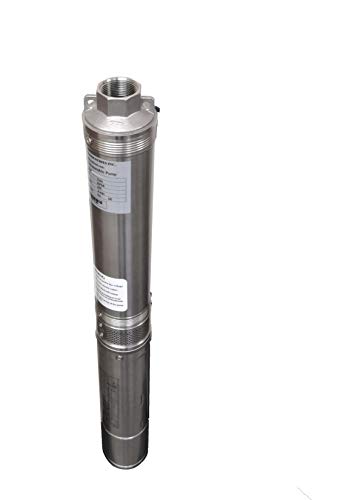


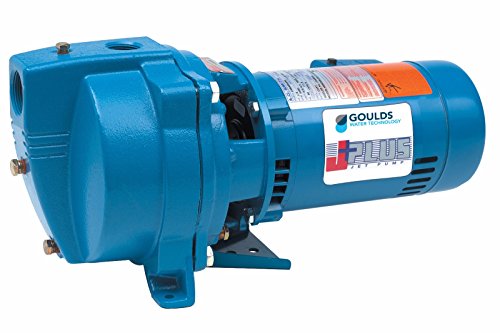

Well Pump Sizing Guide – Everything You Need to Know
Why Proper Well Pump Sizing Matters
Selecting the correct well pump is essential for reliable water supply, energy efficiency, and equipment longevity. An undersized pump will struggle to meet peak demand, causing pressure drops, frequent cycling, and premature motor failure. An oversized pump wastes energy, increases wear, and can cause water hammer or excessive pressure. Our calculator considers your daily usage, peak demand, well depth, and plumbing friction to recommend the ideal pump size for your specific situation.
Proper sizing ensures your pump operates at its best efficiency point (BEP), reducing electricity costs by up to 30% compared to an improperly sized unit. For off-grid or solar applications, correct sizing is even more critical to match available power and storage capacity.
Key Factors That Influence Pump Size
Water Demand (GPD & GPM)
Your household or facility's daily water usage and peak flow rate are the primary drivers. We use a combination of average daily consumption and maximum simultaneous draw (showers, irrigation, livestock) to determine the required pumping capacity. Residential systems typically need 6–12 GPM; irrigation may require 15–40 GPM.
Total Dynamic Head (TDH)
TDH is the total equivalent height the pump must lift water, including vertical lift (static water level to discharge), pressure tank requirements, and friction losses in pipes and fittings. Every 2.31 feet of head equals 1 psi. Our calculator estimates TDH using standard friction coefficients for PVC/steel pipes.
Well Depth & Water Level
The depth of your well and the static water level determine the vertical lift component. Deeper wells require more head capacity. The pump set depth should be below the drawdown level during pumping to ensure continuous water supply. Our calculator uses pump set depth and static level to estimate lift.
Pipe Diameter & Material
Pipe diameter and length affect friction losses significantly. Narrow or long pipes can add dozens of feet of equivalent head. Larger diameter pipe reduces friction and allows the pump to deliver more flow at lower energy cost. For wells deeper than 200 ft, 1.25" or 1.5" pipe is often recommended.
Pump Types & Their Applications
| Pump Type | Best For | Max Head (ft) | Efficiency | Typical Usage |
|---|---|---|---|---|
| Submersible (Multi-stage) | Deep wells, residential, irrigation | Up to 600+ ft | High (75-85%) | Quiet, reliable, no priming |
| Jet Pump (Shallow) | Shallow wells (under 25 ft) | Up to 30 ft | Medium (55-65%) | Affordable, easy to service |
| Jet Pump (Deep) | Wells 25–110 ft | Up to 120 ft | Medium (60-70%) | Two-pipe system, moderate depth |
| Variable Speed (VFD) | Energy savings, constant pressure | Varies (up to 500 ft) | Very high (85-92%) | Smart control, soft start |
Step-by-Step Sizing Method
1. Estimate Peak Demand (GPM)
- Count fixtures: showers (2.5 GPM), faucets (1.5), hose bibs (5–10)
- Add 1.5× safety factor for simultaneous use
- Our calculator uses daily usage × peak factor
2. Calculate Total Dynamic Head
- Vertical lift = pump set depth (ft)
- Friction loss: 1 ft per 10 ft of pipe + fittings
- Add pressure tank requirement (e.g., 40 psi = 92 ft head)
3. Determine Pump Horsepower
- Use: HP = (GPM × TDH) / (3960 × Efficiency)
- Typical residential: 0.5–2 HP
- Agricultural: 3–10 HP or more
4. Match to Pump Curve
- Check manufacturer's curve for flow at your TDH
- Select pump that meets or slightly exceeds required GPM
- Oversize 10% for future expansion
Well Pump Sizing Examples
Residential – 4-person household
Daily usage: 400 gal. Peak demand: 10 GPM. Well depth: 120 ft, static level: 40 ft, pump set: 80 ft. 1" pipe, 150 ft total. Pressure: 40/60 psi (92 ft head). TDH ≈ 80 + 15 (friction) + 92 = 187 ft. Recommended: 0.75 HP submersible, 12 GPM @ 190 ft.
Irrigation – 2-acre lawn
Daily usage: 6000 gal. Peak demand: 25 GPM. Well depth: 200 ft, static: 60 ft, pump set: 140 ft. 1.5" pipe, 300 ft total. Pressure: 50/70 psi (115 ft head). TDH ≈ 140 + 30 (friction) + 115 = 285 ft. Recommended: 3 HP submersible, 30 GPM @ 290 ft.
Livestock – 50 head of cattle
Daily usage: 2500 gal. Peak demand: 15 GPM. Well depth: 90 ft, static: 25 ft, pump set: 60 ft. 1.25" pipe, 200 ft total. Pressure: 30/50 psi (69 ft head). TDH ≈ 60 + 20 + 69 = 149 ft. Recommended: 1.5 HP submersible, 18 GPM @ 150 ft.
Frequently Asked Questions
How do I know if my well pump is failing?
Signs include: reduced water pressure, sputtering faucets, pump running continuously, excessive cycling, higher electricity bills, or dirty water. If your pump is over 10 years old and showing these symptoms, it may be time for replacement. Our calculator can help you size a new pump correctly.
Can I use a jet pump for a deep well?
Deep-well jet pumps can handle depths up to about 110 ft using a two-pipe system. However, submersible pumps are more efficient and quieter for depths over 80 ft. For wells deeper than 100 ft, a submersible is almost always the better choice.
What is the difference between 30/50 and 40/60 pressure switches?
The numbers represent the pressure (psi) at which the pump turns on and off. A 40/60 switch means the pump starts at 40 psi and stops at 60 psi. Higher pressure provides stronger flow but requires more head from the pump. Most homes use 40/60 for good performance.
Should I oversize my well pump?
Oversizing by 10-15% is acceptable if you plan to add irrigation or expand your home. However, oversizing too much can cause short cycling, water hammer, and wasted energy. Use a variable speed pump if you want to handle a wide range of flows efficiently.
How often should I service my well pump?
Annual inspection is recommended: check pressure tank air charge, test pressure switch, inspect wiring, and verify flow rate. Submersible pumps can last 15–20 years with proper maintenance. Jet pumps may need impeller replacement every 5–8 years.
What pipe size is best for my well pump?
For wells: up to 10 GPM → 1" pipe. 10–20 GPM → 1.25" pipe. 20–40 GPM → 1.5" to 2" pipe. Larger pipe reduces friction, improves efficiency, and allows the pump to deliver more flow. Always use PVC or polyethylene rated for potable water.
Maintenance & Longevity Tips
| Task | Frequency | Steps | Benefit |
|---|---|---|---|
| Check pressure tank air charge | Quarterly | Shut off pump, drain tank, check with tire gauge (should be 2 psi below cut-in) | Prevents pump cycling, extends motor life |
| Test pressure switch | Annually | Inspect contacts, clean with fine sandpaper, check calibration | Maintains correct pressure range |
| Inspect wiring and connections | Annually | Look for corrosion, tighten connections, check for wear | Prevents electrical faults and fire hazards |
| Test water quality (iron, sediment) | Annually | Take a water sample, check for iron bacteria or sand | Prevents clogging and impeller wear |
| Check check valve | Biannually | Listen for backflow, test by shutting power and checking pressure drop | Prevents water hammer and pump damage |
Troubleshooting Common Well Pump Problems
Pump runs but no water
Causes: Dry well, broken pipe, clogged intake, failed impeller, check valve stuck closed.
Solutions: Check water level, inspect pipe for leaks, clean intake screen, test check valve operation.
Low pressure or flow
Causes: Clogged filter, undersized pipe, worn impeller, pressure switch misadjusted, tank waterlogged.
Solutions: Replace filter, upsize pipe, replace impeller, adjust switch, recharge air in tank.
Pump short-cycling
Causes: Waterlogged pressure tank, pressure switch too close to tank, damaged bladder.
Solutions: Check air charge, replace tank bladder, move pressure switch to at least 5 ft from tank.
Pump motor overheating
Causes: Low voltage, clogged intake, oversized pump, running dry, insufficient cooling.
Solutions: Check voltage, clean intake, install cooling sleeve, ensure pump is submerged.